Edited 04/09/2026 to correct Miller’s title
The Bottle Went On The Shelf. The File Went Under The Floor
Cepac Ltd makes boxes. That is the respectable version.
The fuller version is uglier. Cepac makes corrugated packaging, shelf-ready display units and the kind of branded retail theatre that lets major companies pretend the supply chain ends at the front of the cardboard. According to Cepac’s own site, it created custom shelf-ready packaging for a UK-exclusive limited-edition Absolut Vodka launch in 2023. Six 70cl bottles per unit. Impulse-channel ready. Nice little box. And a nice little customer. Nice little paragraph for the awards cabinet.
Then there is the other packaging job.
The same company, on TCAP’s case, spent around £50,000 on legal muscle to push a disabled claimant toward strike-out rather than allow a disability-discrimination case to be heard on its merits. The allegation is not complicated. A disabled applicant says he disclosed mental-health disability during the recruitment process, was promised a call back for an interview, and then watched the opportunity disappear after disability entered the room.
Instead of letting the evidence be tested properly, Cepac helped turn the claim into a pressure chamber. That is the partnership Absolut bought into. Not just a box supplier. A company with a discrimination file under the floorboards and a smile on the awards page.
Absolut : A Brand With Previous
Absolut Vodka is not some innocent little bottle dragged into politics by accident. The brand has form. It has a long record of marketing decisions that wander into history, politics and public conscience, then act surprised when the public starts throwing furniture.
In 2008, Absolut ran an advertisement in Mexico showing a pre-1848 map with large parts of the southwestern United States depicted as Mexican territory. The slogan was “In an Absolut World”. It may have been pitched as playful. It landed like a match in a petrol tray. American backlash followed, boycott calls arrived, and Absolut withdrew the ad while insisting there had been no political intent.
In 2016, Absolut Korea used real footage from the candlelight protests against President Park Geun-hye and arranged the crowd into the shape of an Absolut bottle. A national political crisis was turned into a fucking drinks advert. Critics saw commercial exploitation of live democratic unrest. Absolut, once again, found itself explaining why the sacred thing it had borrowed for brand heat was actually just a harmless creative choice.
Then came Russia.
In 2023, Pernod Ricard resumed some Absolut exports to Russia after an earlier pause following the invasion of Ukraine. Sweden noticed. Bars removed the product. Politicians condemned the decision. Boycott pressure grew. Pernod Ricard reversed again once the optics started chewing through the furniture.
That episode matters because it shows the operating system. Principle did not arrive first. Public pressure did. Ethics did not kick the door in. Exposure did.
Cepac’s contribution was not vodka. It was the box. The nice branded outer. The corrugated little stage on which Absolut could keep selling the show.
The Pretty Box And The Disabled Claimant
The central Cepac allegation is not hard to understand.
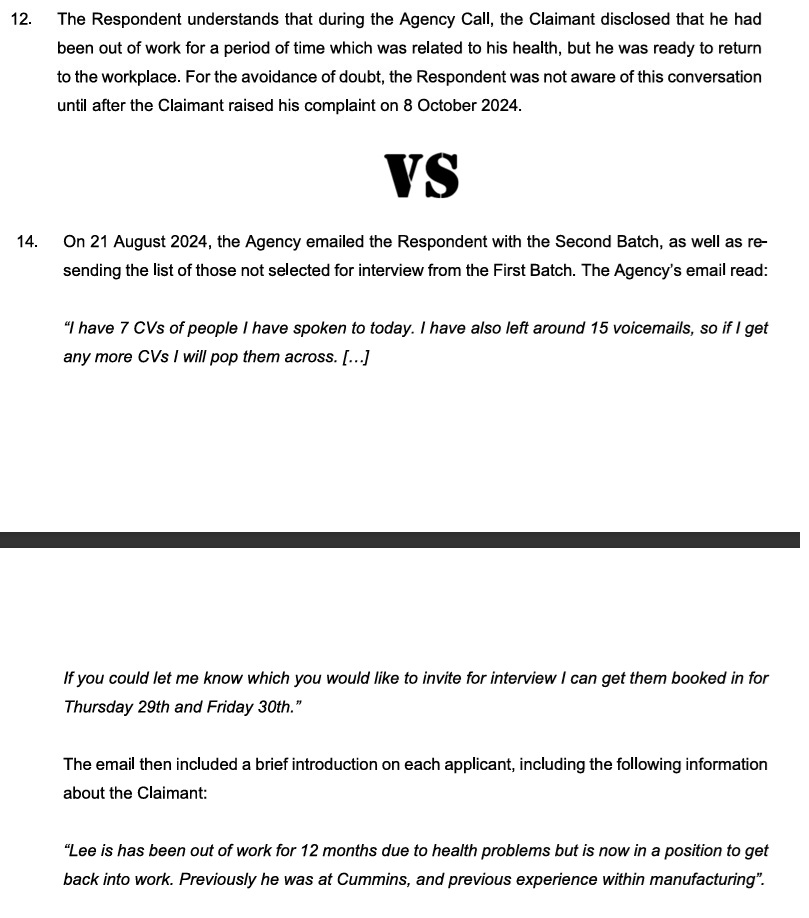
A disabled applicant says he disclosed disability. He says a call back for an interview had been promised. After that disclosure, the promised process vanished. A merits hearing should have followed. Witnesses should have been tested. The contradictions in the paperwork should have been put under oath and made to sweat.
That is what a clean company would want if it was confident.
Cepac did not march toward the merits table. On TCAP’s case, it helped build the procedural abattoir instead. The file became less about what happened after disability disclosure and more about how much pressure could be placed on a disabled litigant with known mental-health vulnerabilities before his reaction could be used against him.
Bundles. Costs threats. Hostile framing. Public-hearing pressure. Aggressive correspondence. The whole ugly little machine.
Cepac can point at strike-out. It can wave the order around like a priest waving incense over a corpse. That still does not answer the question.
Why did the promised interview process disappear after disability disclosure? Why did their ET3 contradict itself?
That question is the bone in the box.
£50,000 To Avoid The Merits Table
TCAP says Cepac’s legal spend reached around £50,000. If Cepac disputes the number, it can publish the invoices. The broader point survives either way. Significant money was spent not to answer the simple disability-discrimination question in open evidence, but to crush the route by which that question could be asked.
That is the dirty part. Horsfield Menzies and Wendy Miller(again) happy to take the money.
Companies are allowed to defend claims. Nobody serious argues otherwise. What TCAP alleges is different. Cepac did not simply defend itself. It used the litigation environment against a disabled claimant whose disability-linked emotional dysregulation was already known, then relied on the predictable consequences of pressure as part of the route to strike-out.
That is not justice. That is a corporate mincer.
Feed in a disabled claimant. Add legal spend. Plus procedural aggression. Add a hostile forum. Turn the handle. Collect the order. Pretend the underlying discrimination question has been answered because the body came out the other side in pieces.
Meanwhile, the Absolut boxes were clean enough for the shelf.
Supply Chains Are Not Laundries
The whole point of supply-chain ethics is that conduct travels.
It does not stop mattering because the front counter sells pastry. It does not stop mattering because the bottle is vodka. A supplier’s conduct does not disappear because the cardboard has a nice print finish and the press release says “innovation”. Every box carries the file, whether the customer wants to read it or not.
Absolut and Pernod Ricard do not get to benefit from Cepac’s packaging work while pretending the supplier is only a production line. Cepac used the Absolut relationship for prestige. It put the work on its site. It wanted the brand glow.
Fine. TCAP will supply the shadow.
That is how association works. If a supplier helps dress your product for the shelf, and that supplier is accused of grinding a disabled claimant through litigation to avoid a merits hearing, the question is no longer just “did the cardboard arrive on time?” The question is whether anyone in the chain gives a fuck what is sitting behind it.
The HSA Shadow
Then there is the ownership fog.
Separate allegations appear on The Quiet Mancunian. That site claims, with what it presents as detailed receipts and documentation, that individuals connected to Cepac’s ownership ecosystem have links to 9/11 funding. Those allegations are extremely serious. TCAP is not presenting them here as court findings, mainstream-confirmed fact, or proven criminal liability. They remain allegations.
That caveat matters.
So does their existence.
A serious customer does not need a conviction before asking due-diligence questions. It does not need a BBC documentary before checking whether a supplier group carries reputational risk. The Quiet Mancunian’s claims may be unverified by mainstream reporting, official inquiries or Companies House filings, but they are public, specific and grave enough that any customer treating supplier ethics as more than annual-report wallpaper should want answers.
What did Pernod Ricard know? Did Absolut check? What did Tesco ask? What did Cepac disclose? Did anybody look beyond the corrugated altar and ask who built the chapel?
Or did everyone just admire the box and keep moving?
Sustainability Theatre In A Plastic-Lined Chapel
Absolut also has the usual modern green costume.
The brand has faced criticism over sustainability messaging, including the 2023 paper-bottle trial that contained a significant plastic barrier, and the earlier “Global Cooling” campaign that paired climate messaging with alcohol promotion. This is the corporate chapel now. Everyone lights a candle for the planet, then passes the collection plate around the same old business model.
Paper bottle. Plastic barrier. Green language. Footnotes. Apology-proof ambition.
Cepac fits neatly into that theatre. Paper-based wraps. Shelf-ready displays. Lower-waste claims. Digital print. Branded packaging. Award spotlight. The whole thing has the clean, rehearsed feel of a procurement department trying to wash its hands without turning the tap on.
The problem is that some stains are not on the cardboard.
They are in the conduct.
You can make the bottle greener. And you can make the outer lighter. You can reduce the waste profile, polish the submission, and send the trophy photo to LinkedIn. None of that calls back the disabled applicant. None of it explains why the merits hearing never happened. No sustainability campaign turns a legal pressure campaign into ethical sourcing.
A recyclable box is still a box.
Sometimes it is also a coffin.
The Dirty Packaging Partnership
This is why Absolut belongs in The Cepac Files.
Not because Absolut personally wrote Cepac’s litigation strategy. Or because Pernod Ricard sat in the hearing room. Not because Tesco signed the costs threats. That would be too easy, and TCAP does not need fairy tales.
The point is sharper.
Cepac publicly presents its work for Absolut as proof of capability, prestige and customer trust. TCAP presents the rest of the supplier file. If Cepac wants to use major brands as reputational furniture, those brands can sit in the room when the floorboards come up.
That room contains a disabled claimant. It contains a vanished interview process and it contains alleged disability discrimination. It contains legal spend directed at strike-out rather than a merits hearing. Parent-group allegations published elsewhere. It contains Russia optics around Absolut’s owner. Sustainability theatre. It contains a very pretty box.
This is not a clean supply chain.
It is a dirty packaging partnership.
The Question Under The Cardboard
Cepac presents itself as an independent packaging provider serving major brands.
That is the brochure.
The file says something darker. It says the same company chose to fight a disabled claimant with a level of force that, on TCAP’s case, was designed to make sure the discrimination claim never reached the evidence table. That contradictions in Cepac’s own material were left untested. It says the disabled applicant’s account was buried under procedure while the supplier kept collecting prestige from customer relationships.
Absolut’s record does not make that better. It makes the partnership feel grimly appropriate. A brand that has already had to reverse under Russia backlash, explain political advertising disasters, and defend sustainability theatre now finds itself boxed up by a supplier with a disability-discrimination file and an ownership-shadow problem.
Maybe Absolut cares.
Perhaps Pernod Ricard cares.
Maybe Tesco cares.
Maybe they all care very deeply in the same abstract way corporations care about anything they hope nobody asks them to prove.
The file on a supplier problem does not close when the boxes are delivered. It grows every time a customer chooses the partnership over the questions.
Cepac made the outer.
TCAP opened it.
Lee Thompson – Founder, The Cummins Accountability Project
Sources
- Cepac : Award Spotlight : Absolut vodka
- Absolut Vodka
- BBC News : Absolut Vodka Halts Exports To Russia After Backlash
- The Guardian : Absolut Vodka Exports To Russia Discontinued After Outcry In Sweden
- Reuters : Absolut Vodka Pulls Ad Showing California In Mexico
- The Spirits Business : Koreans Slam Absolut Ad On Social Media
- Packaging News : Absolut’s Paper Bottle Trial Sparks Controversy
- Grist : Vodka Maker Launches Global Cooling Campaign
- Companies House : CEPAC LIMITED
- The Quiet Mancunian : HSA Group
- The Quiet Mancunian : 9/11 And Al Qaidah