
 * [Page Partners : BDO - Recruiters For The Audit Bin Fire](https://tcap.blog/category/page-partners/) * [Page Partners : GSK - Pills, Pay-To-Prescribe And The Disability File](https://tcap.blog/category/page-partners/) * [The Cepac Files : The Quiet Mancunian](https://tcap.blog/category/the-cepac-files/) ## Sources * [Michael Page - Client Testimonials](https://www.michaelpage.com/employer-center/recruitment-services/client-testimonials) * [AP - Los Angeles County Sues Pepsi And Coca-Cola Over Plastic Bottles](https://apnews.com/article/c326225a08b2a2778afdd27d3db2d628) * [AP - FTC Dismisses Lawsuit Against PepsiCo](https://apnews.com/article/2cd8b42c824b0400fb814e60b88f3284) * [Food & Wine - Frito-Lay Workers Go On Strike With Some Claiming They Face 84-Hour Work Weeks](https://www.foodandwine.com/news/frito-lay-worker-strike-topeka) * [Glamour - Pepsi Pulls Controversial Kendall Jenner Ad After Drawing Social Media Outrage](https://www.glamour.com/story/kendall-jenner-pepsi-ad-controversy-twitter-reactions) * [Wikipedia - Pepsi Number Fever](https://en.wikipedia.org/wiki/Pepsi_Number_Fever)](https://tcap.blog/wp-content/uploads/2026/05/e7fd90b7-6452-42f9-a9a6-65cd0049e8fa-1024x439.png)
Michael Page says The Pepsi Bottling Group used it for audit roles and that Page placed a number of candidates. Lovely. TCAP audits the Pepsi machine back: plastic litigation, pricing allegations, Frito-Lay labour misery, marketing disasters, the old Number Fever nightmare, and Page Outsourcing’s darker surrounding file sitting in the background like a rotten bottle cap under the fridge: Lee Thompson’s separate disability-discrimination case, the Cepac/HSA orbit, and terrorism-funding shadows raised by The Quiet Mancunian material.
The Michael Page Pepsi Bottling Group Receipt
The Michael Page link is clean.
Michael Page’s own client-testimonials page names Senior Human Resources Manager, The Pepsi Bottling Group. According to that testimonial, the recruiter had been “extremely responsive and resourceful” in helping identify candidates. It says audit roles were difficult. Crucially, Michael Page produced quality people, had “placed a number of candidates recently”, and expected more work over the coming months.
That is the receipt.
Not a rumour. Not an anonymous case study. Certainly not one of those Page Outsourcing fog machines where a “global leader” floats around the page with no name, no face and no accountability. This one has the client name, the function, the hiring lane and the recruitment compliment.
Michael Page supplied candidates for Pepsi Bottling Group audit roles.
Therefore, TCAP audited the fucking bottle.
Audit Roles For What?
Audit roles matter because audit is the polite word for checking the machine.
In theory, an audit function looks under the lid. It checks process, control, compliance, risk, numbers, claims, systems and evidence. However, companies are very good at saying “trust us” while building entire empires on fine print, plastic, sugar, pricing power, labour pressure and marketing fumes.
That makes the Pepsi Bottling Group testimonial useful. Michael Page was not boasting about sending one warm body into a random back office. Instead, it was boasting about helping fill audit roles for a major bottling operation tied to one of the biggest food-and-drink machines on earth.
Page supplied the people.
Pepsi supplied the file.
Now TCAP supplies the bill.
The Sugar And Plastic Machine
Pepsi is not just a drink. PepsiCo is a world of bottles, cans, snacks, sugar, salt, shelf space, distribution, pricing, branded plastic, sports drinks, convenience food and supermarket psychology. In practice, it is less a company than a consumption weather system.
The public version arrives in blue branding, celebrity campaigns, sustainability language and corporate conscience. Meanwhile, the dirtier version sits in lawsuits, labour disputes, environmental criticism and public-health arguments about the cost of selling cheap pleasure at industrial scale.
That is where the Page receipt starts to bite.
Michael Page wanted the prestige of Pepsi Bottling Group. It wanted the recruitment trophy: audit roles, quality people, repeat work and a satisfied client. Fine. If Page gets to borrow the shine, TCAP gets to hold the bottle against the light and ask what is floating inside.
Plastic In The River
Los Angeles County sued PepsiCo and Coca-Cola in 2024, accusing the companies of misleading the public about the recyclability and environmental impact of plastic bottles. The lawsuit alleged that the companies had conducted disinformation campaigns and downplayed the adverse effects of plastic pollution.
PepsiCo and the wider beverage industry can argue their side. They can talk about recycling, circularity, consumer disposal, shared responsibility and all the usual language that sounds like it was brewed in a sustainability department with a broken coffee machine. Still, the allegation itself is grim: the bottle is sold as manageable, recyclable, responsible and neat, while public bodies say the waste keeps ending up in waterways, ecosystems and bodies.
That is the problem with plastic. It is the perfect corporate afterlife. A bottle leaves the shelf, leaves the hand, leaves the bin, then refuses to leave the planet.
A recruitment firm supplied audit candidates into the Pepsi Bottling Group machine. Meanwhile, the public Pepsi file has government litigation over what the bottle does after the sale.
Audit that.
The Recycling Hymn
Corporate recycling language has the rhythm of a hymn. Everyone says the right words. Recyclable. Sustainable. Circular. Responsible. Improving. Committed. Progress. Partnership.
Then the plastic turns up in the river like a dead receipt.
That is why this article does not need to pretend Pepsi is uniquely evil. Instead, the point is sharper. Pepsi is a huge branded example of a bigger corporate trick: sell the product, sell the convenience, sell the lifestyle, then sell the apology in advance by calling the packaging recyclable.
At that point, the audit role becomes almost comic. You can audit the numbers. The process. You can audit the controls. Yet who audits the lie that a disposable bottle becomes morally clean because a multinational put a recycling logo near it?
Michael Page placed candidates for audit roles.
TCAP checked the waste stream.
The Walmart Pricing Allegation
The pricing file adds another layer.
In January 2025, the FTC sued PepsiCo, alleging illegal price discrimination that favoured a large retailer, reported as Walmart, over other stores and consumers. PepsiCo denied wrongdoing. Later, after a change in FTC control, the agency dismissed the case in May 2025, with the new chair calling it politically motivated and legally dubious.
So keep it precise.
The FTC allegation was made. PepsiCo denied it. Eventually, the lawsuit was dismissed. Therefore, TCAP does not write it as proven misconduct. It writes it as part of the public Pepsi file: a major regulator alleged a preferred-retailer pricing scheme, then a later FTC dropped the case and blasted the previous commission’s decision.
Even dismissed, the episode still tells you something useful about the size and power of the machine. PepsiCo sits in the zone where pricing, shelf space, supermarket leverage and consumer cost become political questions. Small retailers, giant retailers, promotional payments, allowances, discounts, margins, enforcement priorities – the whole cold arithmetic of who gets squeezed and who gets fed.
That is not a corner shop argument.
It is the machinery.
The Discount Altar
This is where the Pepsi world gets really greasy.
A bottle of Pepsi looks simple. So does a bag of crisps. The customer picks it up, pays, leaves. Done.
Behind that little transaction sits a system of distribution, preferred accounts, promotional pricing, retail power, shelf placement, volume, rebates, data, advertising support and supplier muscle. The customer sees a price. The machine sees a battlefield.
That is why pricing allegations matter even when a case gets dismissed. They show the public the shape of the beast. Huge companies do not only compete by having a nicer logo or a colder fridge. Instead, they compete through arrangements that decide which retailer can sell cheaper, which smaller stores eat worse terms, and which consumer pays the hidden bill.
The FTC case ended.
However, the pricing machine did not.
Frito-Lay And The Human Cost
PepsiCo is also Frito-Lay. That matters because the snack empire has its own labour file.
In 2021, hundreds of workers at the Frito-Lay plant in Topeka, Kansas went on strike. Reports described workers alleging brutal mandatory overtime, including claims of 12-hour shifts, seven-day weeks and schedules with only short breaks between shifts. Eventually, the dispute ended with a new contract, but the story still dragged the human body back into a supply chain that prefers to talk about brands.
Someone has to make the crisps.
Workers have to run the shifts.
A line has to keep moving while the advert sells joy, taste, convenience and game-night happiness.
After all, the bag does not fill itself.
Snack Food, Bone Tired
This is the dark little joke inside consumer goods.
The product is designed to feel effortless. Open, eat, drink, repeat. Pleasure without thought. Crunch without consequence. Refreshment without machinery. Corporate marketing exists to remove the worker from the room and replace them with a smiling actor beside a bowl.
Then a strike comes along and ruins the illusion.
Suddenly the snack aisle has wrists, backs, feet, exhaustion, overtime, shift patterns and families. The magic orange dust on the fingers starts looking less like branding and more like residue from a labour system nobody wanted to inspect too closely.
Michael Page supplied audit-role candidates to Pepsi Bottling Group.
Fine.
Start with the people under the lights.
Number Fever
The old Pepsi Number Fever disaster in the Philippines remains one of the ugliest marketing-machine exhibits in the corporate museum.
In 1992, a Pepsi promotion in the Philippines turned into a nightmare after a bottle-cap number error. Reports and summaries of the incident describe mass confusion, lawsuits, protests, violence and deaths. Later court decisions limited or rejected liability in important respects, so the legal file needs care. Still, the public memory is brutal: a promotion designed to sell fizzy drink became a national fiasco.
That is what happens when marketing gets too clever and reality starts billing by the corpse.
The Number Fever story is old. It is not the same as a modern PepsiCo lawsuit. Nevertheless, it is not a minor anecdote. It is a reminder of what can happen when consumer manipulation, mass hope, corporate promotion and poor control meet poverty and rage.
The bottle cap became a promise.
That promise became a riot.
Then the riot became a file.
Marketing With A Pulse Missing
Pepsi’s 2017 Kendall Jenner advert belongs in the same museum, although in a different room.
That advert tried to turn protest imagery into a soft-drink mood board. Jenner handed a Pepsi to a police officer; the crowd cheered; apparently, the brand thought it had bottled unity. Public reaction was savage. Critics accused the ad of trivialising protest movements and police-brutality concerns. Pepsi pulled the advert and apologised.
This is not the darkest scandal in the Pepsi file. Nobody should pretend it is. However, it is very useful evidence of the corporate instinct.
The instinct says every human struggle can become content.
Rage can become aesthetic. Protest can become backdrop. Police tension can become a product-placement opportunity. Meanwhile, social justice can be reduced to a can, a model, and a creative meeting full of people who somehow did not hear the alarm going off.
That is Pepsi at its most absurd.
For thirty seconds, the sugar water solved racism. Then the internet kicked the vending machine over.
The Page File Under The Bottle Rack
Now bring the Page angle home.
This is not only about Pepsi. It is about Page.
Michael Page used Pepsi Bottling Group as a public recruitment trophy. Page wanted readers to see a serious client, audit roles, quality candidates and repeat work. Yet Page Outsourcing, another part of the PageGroup world, also sits in TCAP’s own disputed recruitment file with Cepac, where disability discrimination is alleged and denied.
That is one lane.
A separate lane is The Quiet Mancunian material. That file does not involve Lee Thompson and does not allege disability discrimination. It concerns terrorism-funding shadows, the Cepac/HSA orbit, corporate due diligence and reputational nonchalance.
This distinction matters. The disability-discrimination file is Lee Thompson’s Page/Cepac case. The Quiet Mancunian material is separate. TCAP does not need to merge them. It needs to place them beside each other and ask why Page’s polished recruitment world keeps brushing against uglier corporate rooms.
Page sells opportunity.
TCAP checks the rooms Page chooses to stand in.
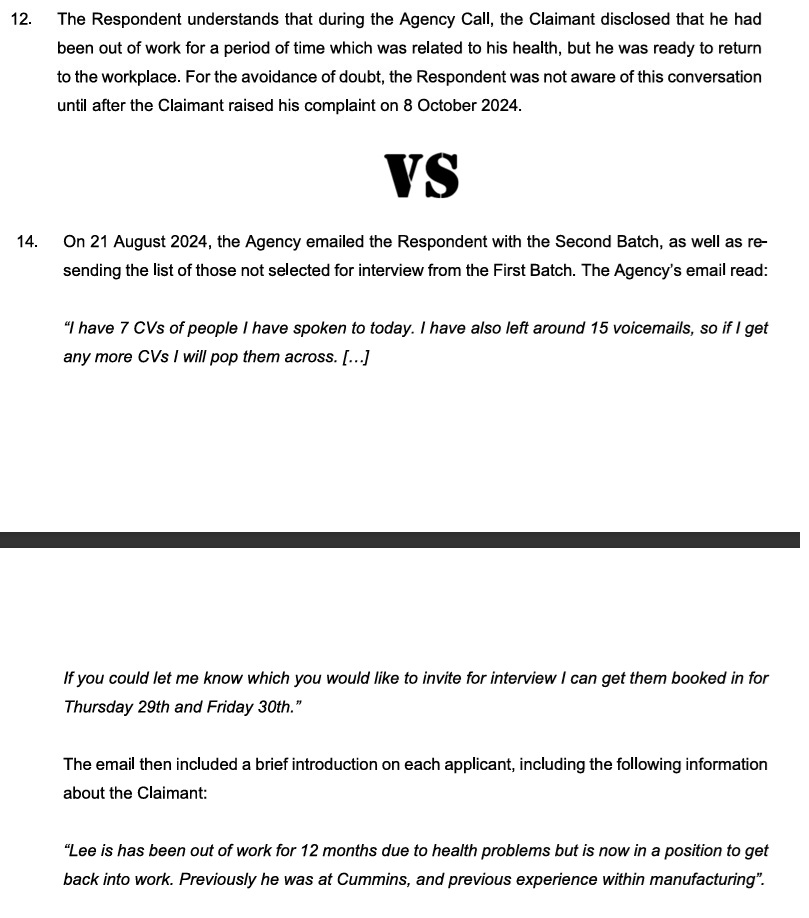
This image matters because the article is not just another Pepsi scandal tour. It is a Page Partners piece. The point is not that Pepsi caused the Page file. Rather, the point is that Page builds reputational value through big corporate relationships while TCAP is holding a separate live recruitment-discrimination file involving a disabled candidate, disputed knowledge, a vanished interview and a respondent relationship with Cepac.
That makes every Page trophy fair game.
Pepsi Bottling Group is the shiny bottle.
The ET3 image is the shard of glass in the crate.
The Separate Files Problem
The distinction matters enough to say it twice.
TCAP’s Page/Cepac litigation file concerns disability-discrimination allegations in recruitment. That is Lee Thompson’s file. The ET3 image belongs there.
The Quiet Mancunian material is separate. It does not involve Lee Thompson and it does not allege discrimination. It concerns terrorism-funding shadows around the Cepac/HSA orbit and the due-diligence question TCAP keeps putting under the lamp.
Together, the files create the reputational problem for Page. One file questions how Page and Cepac handled a disabled candidate. The other questions the wider corporate ecosystem around Cepac and HSA. They should not be merged, but they can sit beside each other as separate reasons why Page’s clean client-wall language deserves scrutiny.
That is not a side issue.
It is the moral hinge.
Pepsi Bottling Group gives TCAP the client receipt.
The separate Page/Cepac and Quiet Mancunian files give TCAP the reason to keep opening the fucking receipts.
Page’s Favourite Defence
The defence will be obvious because it always is.
Michael Page only recruited for Pepsi Bottling Group. The firm did not design plastic bottles. Nor did it run Pepsi’s advertising department, manage the Frito-Lay plant, create Number Fever, bring the FTC case or decide Walmart pricing structures. Nobody is saying Michael Page caused Pepsi’s entire public controversy file.
Correct.
Also not enough.
Page Partners is not about pretending Page personally commits every client scandal. Instead, it is about Page choosing to publish named corporate relationships as reputational assets. If Michael Page gets to use Pepsi Bottling Group as proof of recruitment quality, TCAP gets to inspect the corporate machine behind the compliment.
The same principle applies to the Page/Cepac file. Page does not get to sell clean recruitment language in one room while shrugging off the due-diligence questions in another.
Page publishes the clean receipt.
TCAP checks the sticky floor.
Audit Roles And Dirty Bottles
The words “audit roles” keep doing work here.
Audit roles are supposed to support scrutiny. They sound serious, clean and control-heavy. Yet the surrounding Pepsi file is a lesson in the limits of corporate self-checking. Plastic bottles keep causing public litigation. Pricing arrangements become regulatory combat. Snack workers strike over conditions. Marketing departments mistake protest for a can-shaped mood. Historic promotions turn into litigation graveyards.
That does not mean every Pepsi employee is a villain. Nor does it mean every audit worker is part of the problem. In fact, many audit people probably spend their working lives trying to stop some corner of the machine from eating itself.
But Page did not sell this as moral complexity.
Page sold it as a testimonial.
So TCAP gets to write the other half.
The Pepsi Version And The Public Version
The Page version is clean. Pepsi Bottling Group needed audit candidates. Michael Page was responsive and resourceful. Audit roles were difficult. Page produced quality people. More candidates had been placed, and further work was expected.
The public version has more syrup on the crime-scene floor. Los Angeles County sued over plastic-bottle claims. A dismissed but politically explosive FTC pricing case alleged Walmart-favouring discounts. Frito-Lay workers struck after allegations of punishing overtime. Kendall Jenner handed a Pepsi to a police officer in one of the most cursed adverts of the decade. Number Fever still sits in the old file like a bottle cap from hell.
Then Page’s surrounding file enters the room.
Lee Thompson’s disability-discrimination allegations against Page Outsourcing and Cepac sit in one folder. The Quiet Mancunian material on Cepac/HSA terrorism-funding shadows sits in another. Different files. Different allegations. Same broader question for Page: what kind of corporate ecosystem is this recruitment-polish machine standing in?
Same corporate universe.
Different lighting.
The Page Partners Question
The Page Partners question is always the same.
Who does Page stand beside?
Not in private. Not in some unknowable placement database. Publicly. Voluntarily. On its own website. As proof of quality.
With Pepsi Bottling Group, the answer is a beverage machine tied to audit roles, branded plastic, sugar economics, labour disputes, marketing disasters and corporate power big enough to pull regulators into pricing wars.
With Cepac, the answer is uglier. TCAP says the Page recruitment file sits beside disability-discrimination allegations, due-diligence questions and a wider Cepac/HSA context carrying alleged terrorism-funding shadows that should have set every compliance alarm screaming.
Page wanted the prestige of a major corporate client.
TCAP wants the aftertaste.
That is fair.
The Recruitment Firm And The Bottle Cap
The Number Fever bottle cap is too perfect a metaphor to ignore.
A small object. A printed promise. A consumer told to trust the game. Then the machine gets the number wrong, the crowd sees the promise, and corporate order suddenly looks very fragile.
That is what Page’s testimonial system feels like now.
Each client quote is a bottle cap. Every one promises quality, trust, fit, professional insight and clean corporate partnership. Then TCAP turns it over and starts checking the number.
UBS had offshore secrecy and Credit Suisse wreckage.
BDO had audit-quality fire.
GSK had pay-to-prescribe, fraud settlement history and disability findings.
Pepsi has sugar, plastic, labour, pricing allegations and marketing rot.
Cepac has Lee Thompson’s separate recruitment-discrimination file and The Quiet Mancunian’s separate HSA due-diligence stink sitting nearby.
How many winning numbers did Page print before anyone checked the caps?
The Bill
So here is the bill.
Michael Page published a Pepsi Bottling Group testimonial saying Page helped identify candidates for difficult audit roles, produced quality people and had placed a number of candidates. The wider Pepsi file includes plastic-pollution litigation, pricing allegations later dismissed by the FTC, Frito-Lay labour disputes, the Kendall Jenner protest-ad fiasco, the historic Number Fever disaster, and the ordinary public-health stink of selling sugar and snacks at planetary scale.
Underneath the Page trophy wall, however, sit two separate files that must not be mashed together.
Lee Thompson alleges disability discrimination in the disputed Page/Cepac recruitment process. Page and Cepac deny unlawful discrimination. Separately, The Quiet Mancunian material concerns the Cepac/HSA orbit, alleged terrorism-funding shadows, reputational risk and corporate due-diligence questions. The allegations are different. The overlap is the corporate room Page now has to be seen standing in.
Michael Page saw Pepsi Bottling Group and wrote the recruitment compliment.
TCAP saw “audit roles” and opened the bottle.
Plastic.
Sugar.
Pricing.
Labour.
Marketing rot.
Disability file.
ET3 contradiction.
Cepac.
HSA Group.
Alleged terrorism-funding shadows.
One more Page trophy with sticky fingerprints all over it.
Unredacted.
Lee Thompson – Founder, The Cummins Accountability Project
Sources
- Michael Page – Client Testimonials
- AP – Los Angeles County Sues Pepsi And Coca-Cola Over Plastic Bottles
- AP – FTC Dismisses Lawsuit Against PepsiCo
- Food & Wine – Frito-Lay Workers Go On Strike With Some Claiming They Face 84-Hour Work Weeks
- Glamour – Pepsi Pulls Controversial Kendall Jenner Ad After Drawing Social Media Outrage
- Wikipedia – Pepsi Number Fever
- Evidence held by TCAP: ET3 contradiction image in Lee Thompson’s Page/Cepac disability-discrimination case.